Collection: All hard drives
The Definitive Encyclopedia of Hard Disk Drives: From IBM 305 to 30TB+
What Defines a "Hard" Drive?
The Hard Disk Drive (HDD) is a non-volatile data storage device that utilizes magnetic storage to retrieve digital information from rapidly rotating platters. The term "Hard" was coined in the early 1970s to differentiate it from the "Floppy Disk"—while the latter used a flexible polyester film, the HDD utilized rigid, high-precision aluminum or glass substrates.
1. The Pioneers: Who Invented the Hard Drive? (1956)
The history of data storage changed forever in 1956. A team of IBM engineers led by Reynold B. Johnson introduced the world’s first disk storage system: the IBM 305 RAMAC.
-
Scale: It was the size of two large refrigerators and weighed over a ton.
-
Capacity: A mere 5MB, spread across fifty 24-inch platters.
-
The Cost of Data: In 1956, leasing 1MB of storage cost approximately $640 per month.
2. The Chronology of Form Factors
-
1980 (The 5.25-inch Revolution): Seagate introduced the ST-506, the first HDD for microcomputers, bringing storage out of the data center and onto the desk.
-
1983 (The 3.5-inch Standard): Developed by Rodime, this remains the dominant form factor for enterprise servers and desktop workstations today.
-
1988 (The 2.5-inch Laptop Drive): Prairiektek launched the first 2.5-inch drive, paving the way for the modern portable computing era.
3. Milestones in Magnetic Recording Technology
The leap from Megabytes to Petabytes was made possible by several Nobel-prize-winning physical breakthroughs:
-
Thin Film Heads: Allowed for significantly higher areal density than traditional ferrite heads.
-
Giant Magnetoresistance (GMR): Introduced by IBM in the 1990s, dramatically increasing read sensitivity.
-
PMR/CMR (Perpendicular Magnetic Recording): Emerging in 2005, this technology flipped magnetic bits vertically, allowing for the massive capacities we see today.
-
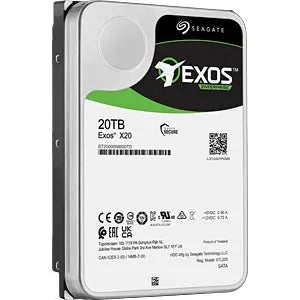
Helium-Filled Technology (HelioSeal): First commercialized in 2013, replacing air with Helium (1/7th the density) reduces friction and turbulence, allowing for more platters in a standard 3.5-inch chassis.
4. The Future Horizon: HAMR and MACH.2
We are currently entering the second "Golden Age" of HDD engineering:
-
HAMR (Heat-Assisted Magnetic Recording): Utilizing laser diodes to momentarily heat the disk surface, enabling storage densities that will soon surpass 50TB per drive.
-
MAMR (Microwave-Assisted Magnetic Recording): A key technology utilized by Western Digital to increase reliability and capacity.
-
MACH.2 (Multi-Actuator Technology): This breakthrough doubles IOPS performance by utilizing two independent sets of actuator arms within a single drive.
Why Source Your Storage from Robert Electronics?
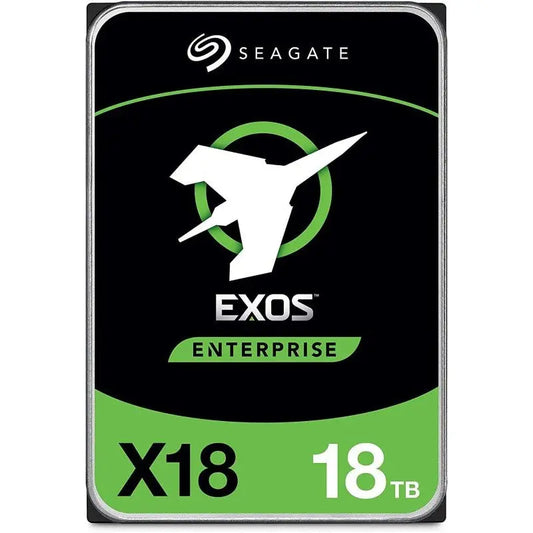
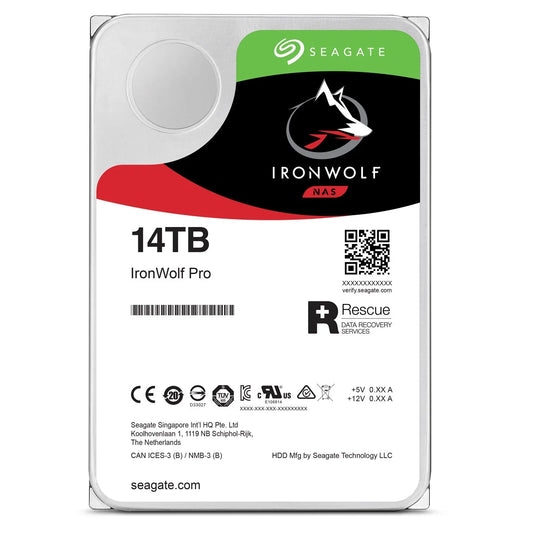
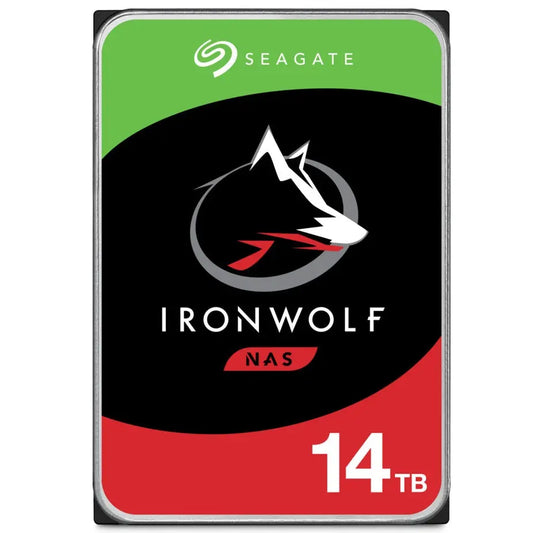
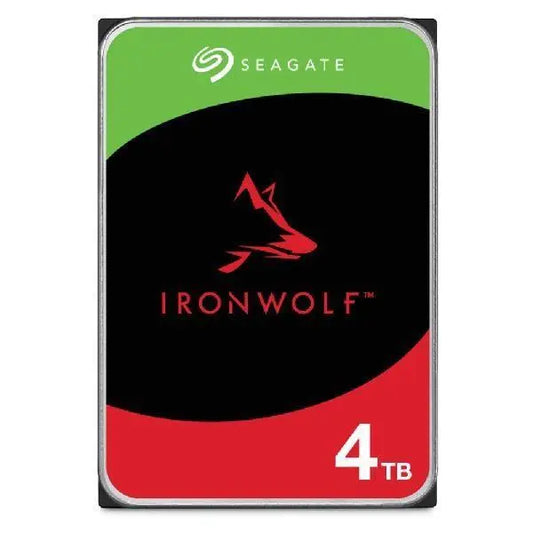
At Robert Electronics, we don't just supply hardware; we uphold a 70-year legacy of data integrity. We specialize in Enterprise-Grade and Factory Recertified solutions, ensuring that every drive—from legacy 4TB units to the latest 20TB+ Helium deployments—undergoes rigorous workload rating and failure-analysis testing.
Explore our curated Hard Drive Collection for industry-leading reliability and price-per-TB efficiency.